The Integrated Trauma and Attachment Treatment Model (ITATM™)

Bringing Healing in a Safe and Structured Way

Integrative Trauma and Attachment Treatment Model (ITATM™)

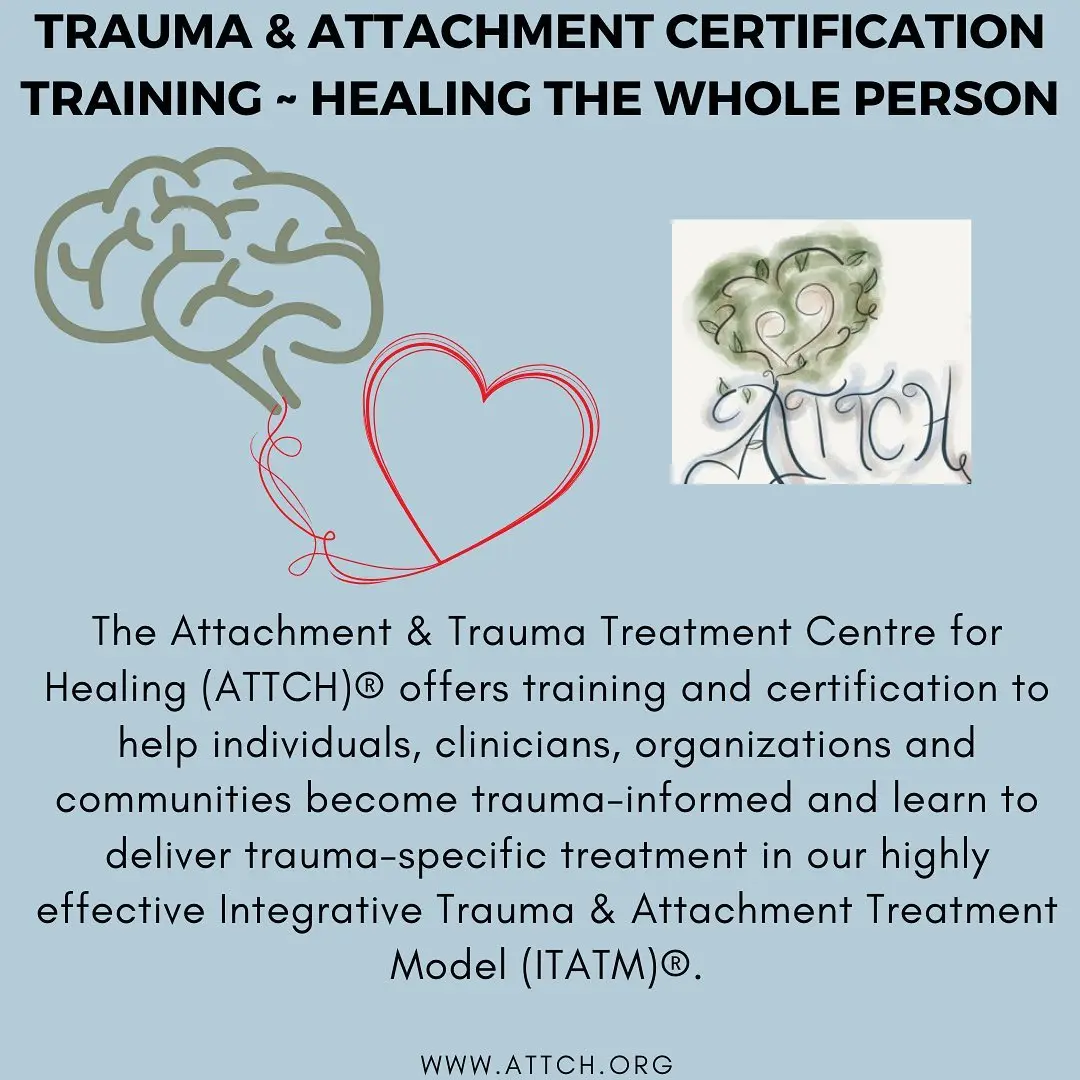
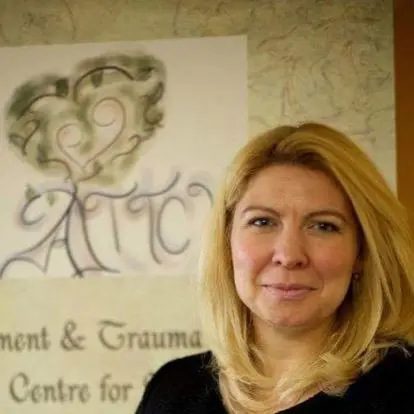
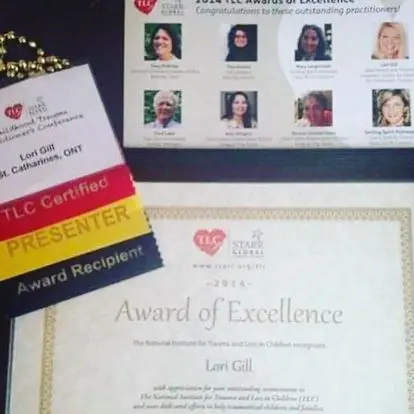
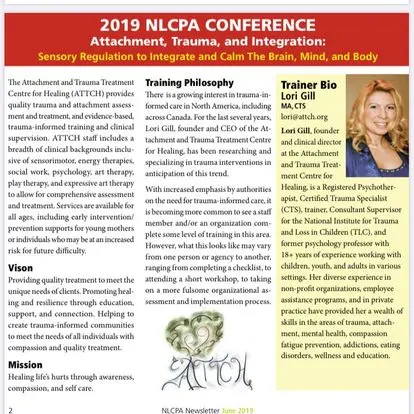
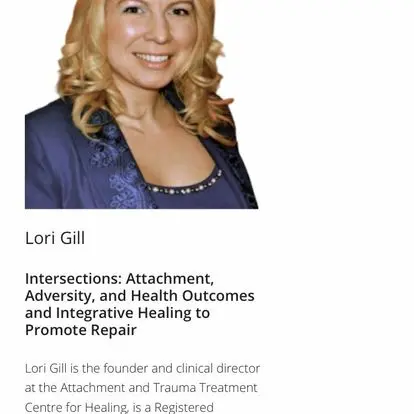
The Integrative Trauma and Attachment Treatment Model (ITATM™) was created by Lori Gill, Founder and Clinical Director Attachment and Trauma Treatment Centre for Healing (ATTCH).

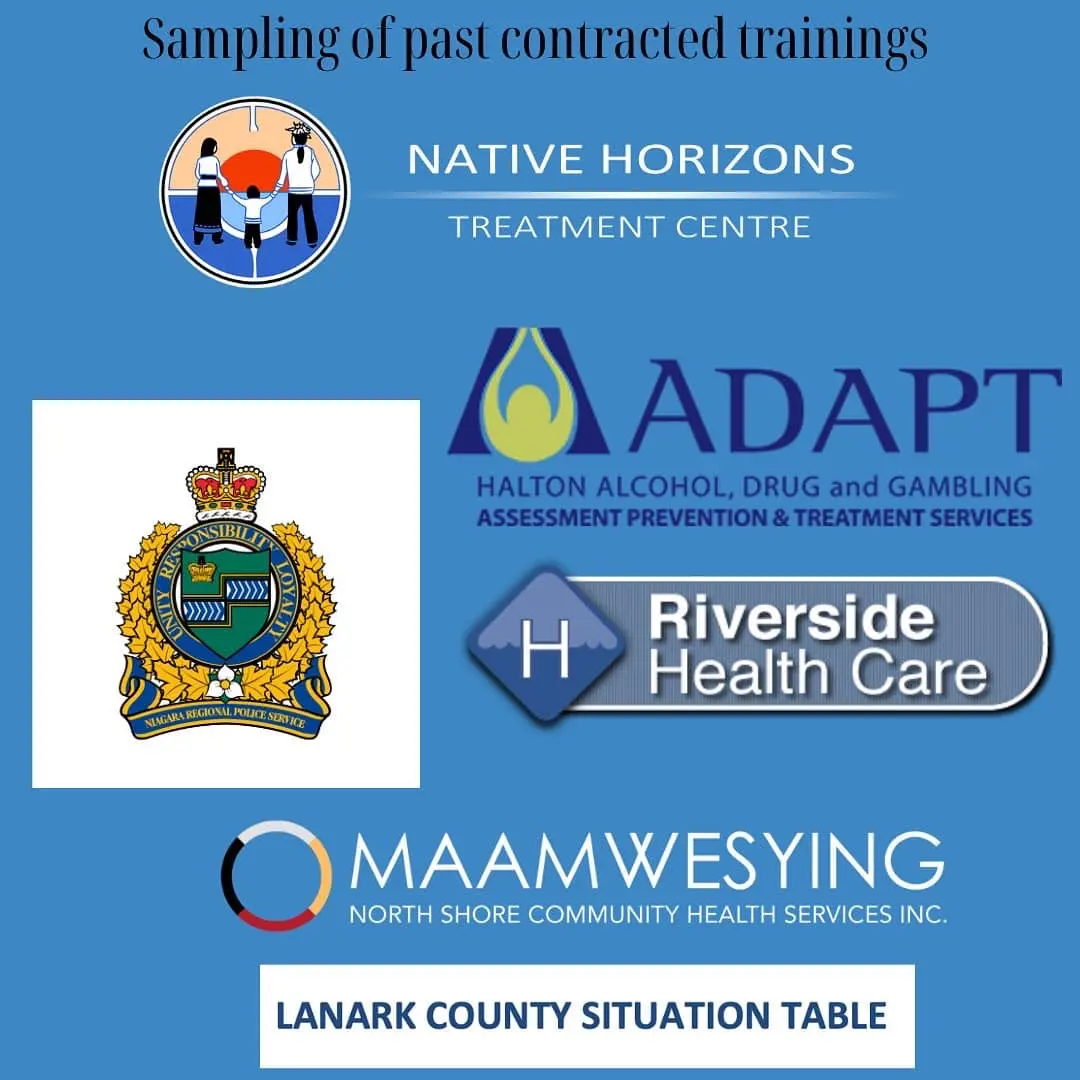
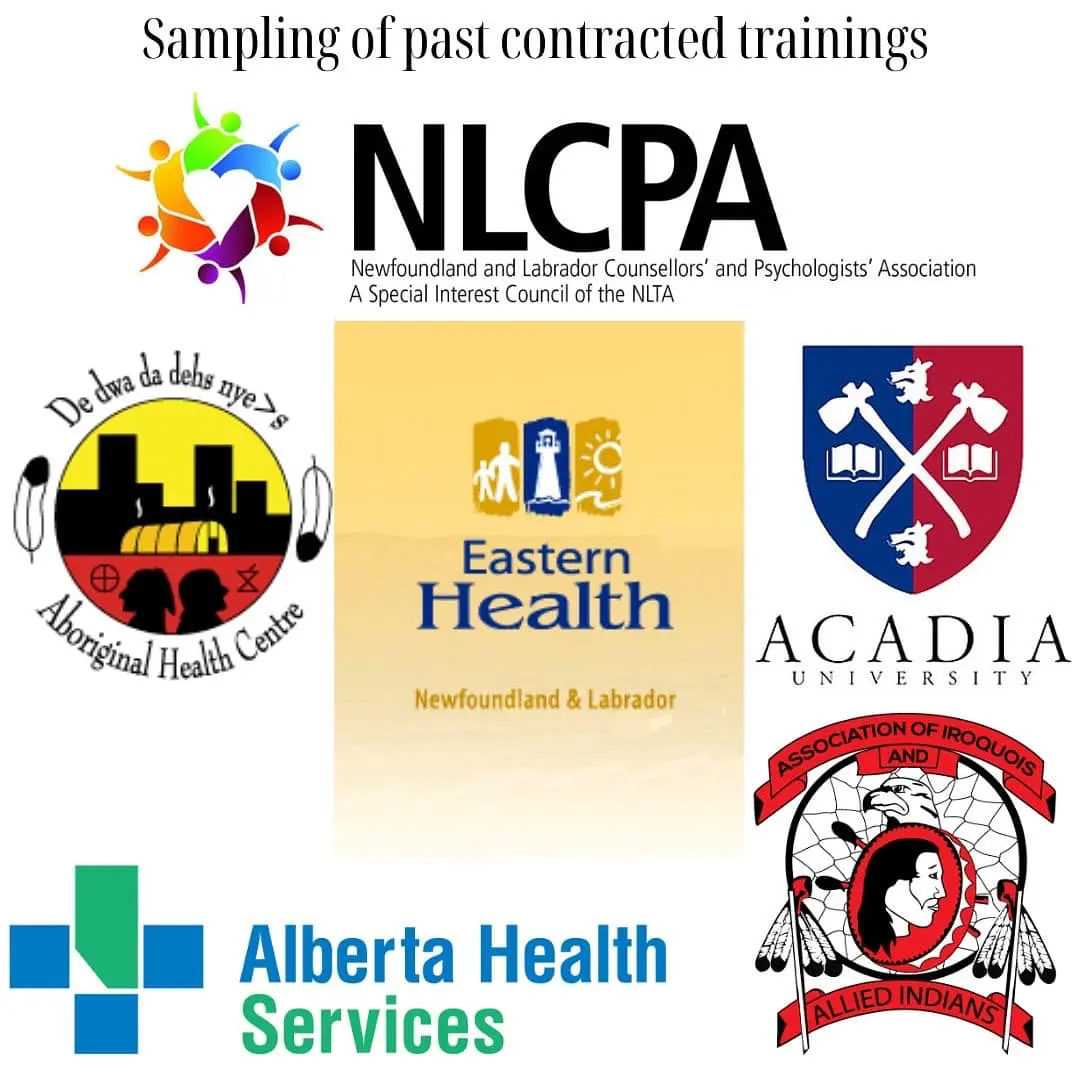
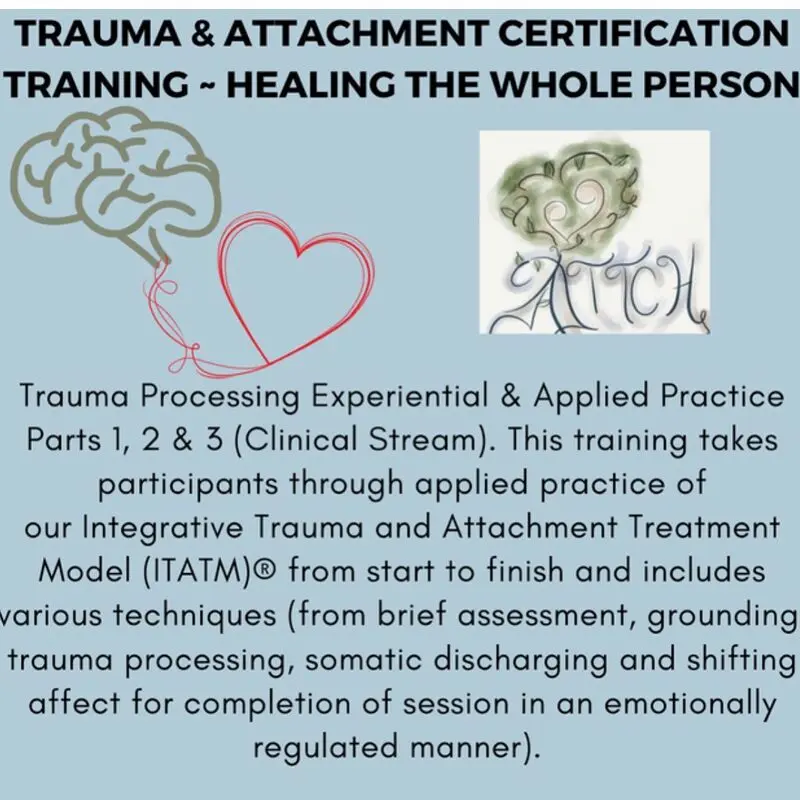
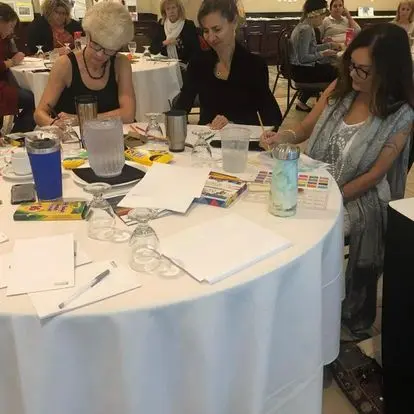
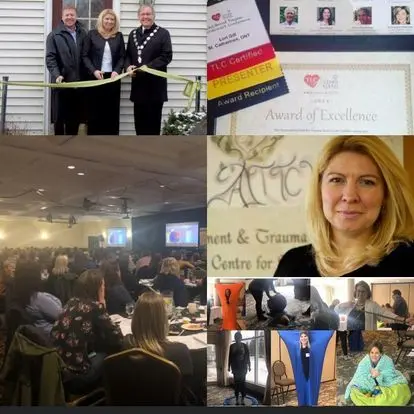
Our Integrative Trauma and Attachment Treatment Model (ITATM™) is a trauma-specific processing model that provides a strep-by-step protocol to help clients work through their trauma experiences in a safe structured manner. ITATM™ is an embodied model for reprocessing and reappraisal of the central details of trauma memories using somatic release, bilateral stimulation, visualization, resourcing and reframing in an integrative and structured manner to regulate the body, brain and mind simultaneously in a neurosequential way. Lori is an engaging and sought after presenter and consultant offering trainings Internationally to help agencies and professionals become trauma-informed and learn how to deliver trauma-specific treatment. ITATM™ helps to depotentiate trauma experiences and enables clients become embodied in a safe structured way.

ITATM Program Evaluation

Thank you to Victoria Dobson for completing a program evaluation of our Integrative Trauma and Attachment Model (ITATM)®. Thank you also to Dr. Paul Frewen, Western University Hospital for acting as our consultant / principal investigator. The results reviewed the progress of 50 adult clients. A variety of standardized measures were used to evaluate change. Overall the findings demonstrated clinically and statistically significant changes. This is not to say everyone is fully recovered at the completion of treatment as we are working with complex trauma and as such there are no easy solutions. However these are outcomes that are very realistic of a complex trauma population and demonstrate that there is benefit to the treatment being offered.
Average reductions in high risk areas are as follows:
These are areas that often impact daily life skills, the ability to remain regulated, maintain safe housing, utilization of high risk and crisis services etc. As such any reductions in these areas demonstrates a positive shift towards a more emotionally regulated state.
The least reduction was observed in relation to somatics. Given that when entering treatment most people are not embodied/aware of their emotions due to the trauma experiences they have had this makes good sense. As we begin to work through treatment people become more embodied and more aware of their emotional felt state, this means they are also more aware of uncomfortable sensations feelings emotions etc. however there is an increased ability to experience these feelings without destabilizing, flooding, dissociating etc. This is all part of the goals of treatment, feeling is healing and again it’s a great indicator that the work we are doing is effective. A video outlining the program evaluation results in full is included below.

Conor Deeney, provides a review of the ITATM Training and model
Conor shares his experience of learning the Integrative Trauma and Attachment Model (ITATM)® approach, his experience of the training, and observing the effects in the lives of the clients he is working with.

#ITATM  #CTIC #ATTCH#traumacertification #attachmenttherapy #traumatherapy #CPTSD #cptsdtherapy#holisticwellness #ACES

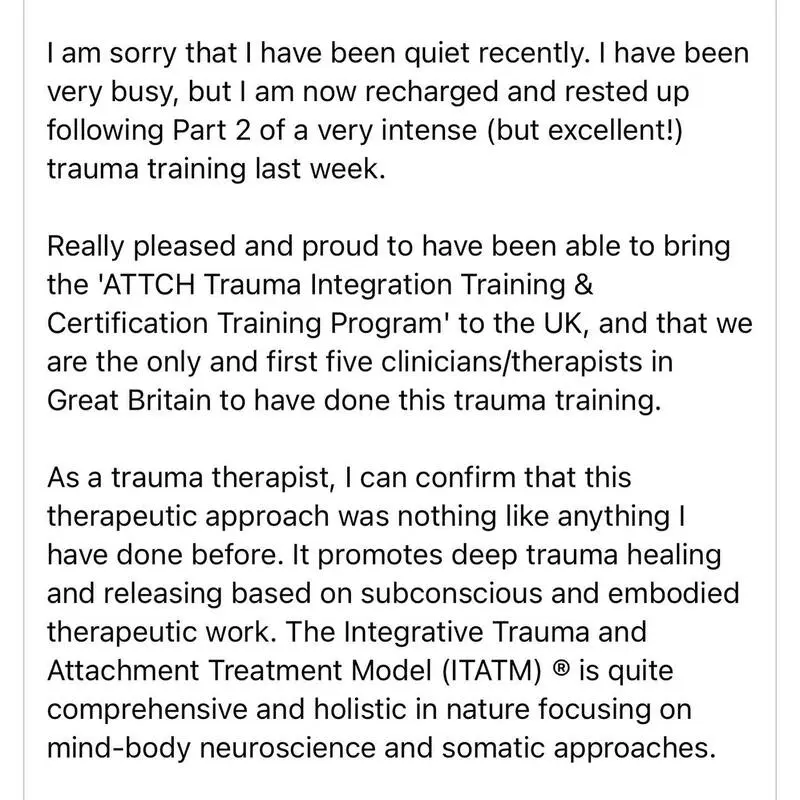
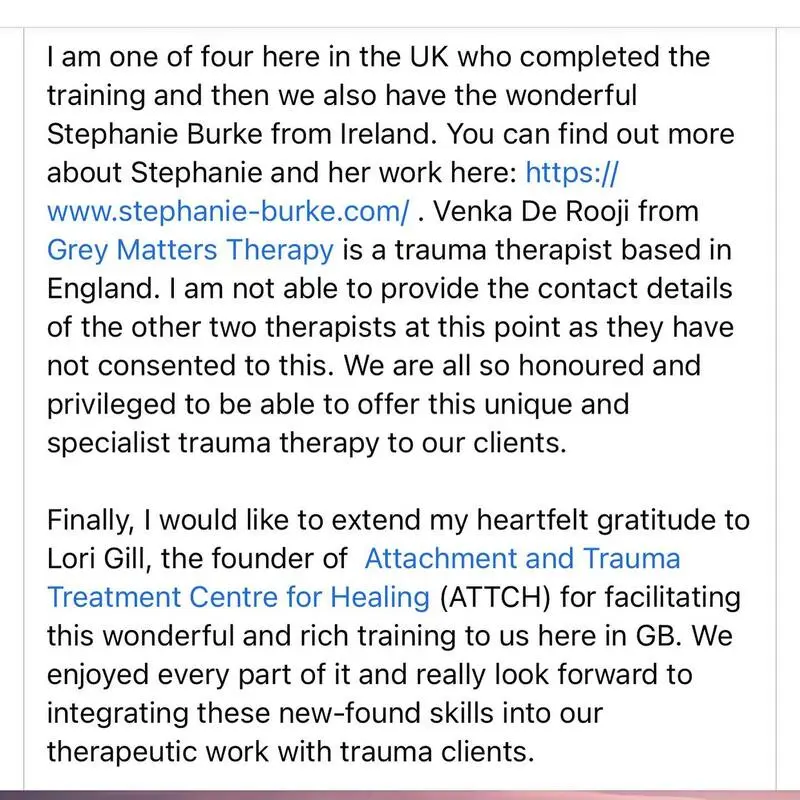
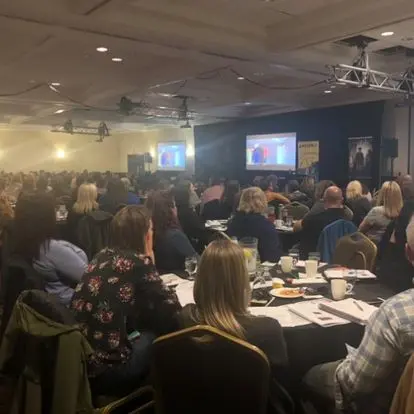
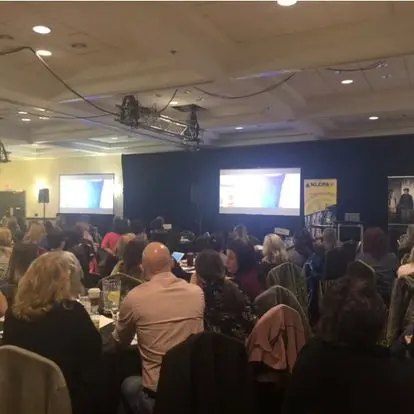
Anne-Marie Lockmyer, Grief and Trauma Specialist provides a review of our Integrative Trauma and Attachment Treatment Model training and conference. Anne-Marie has completed certification as a trauma and attachment specialist with us through our CTIP program.

Trauma Certification

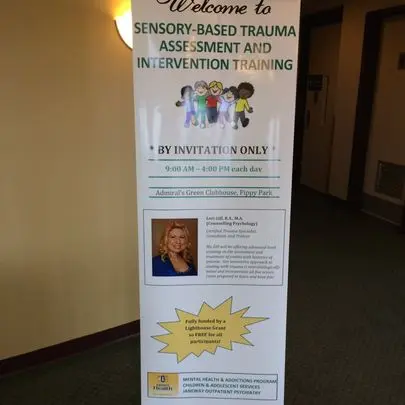
Upon completion of the ITATM™ training program, participants in Canada can choose to obtain certifications in the model and as trauma-informed clinicians/practitioners.

Our You Tube channel has lots of brief videos which provide an introduction to ATTCH Founder, Lori Gill’s presentation style